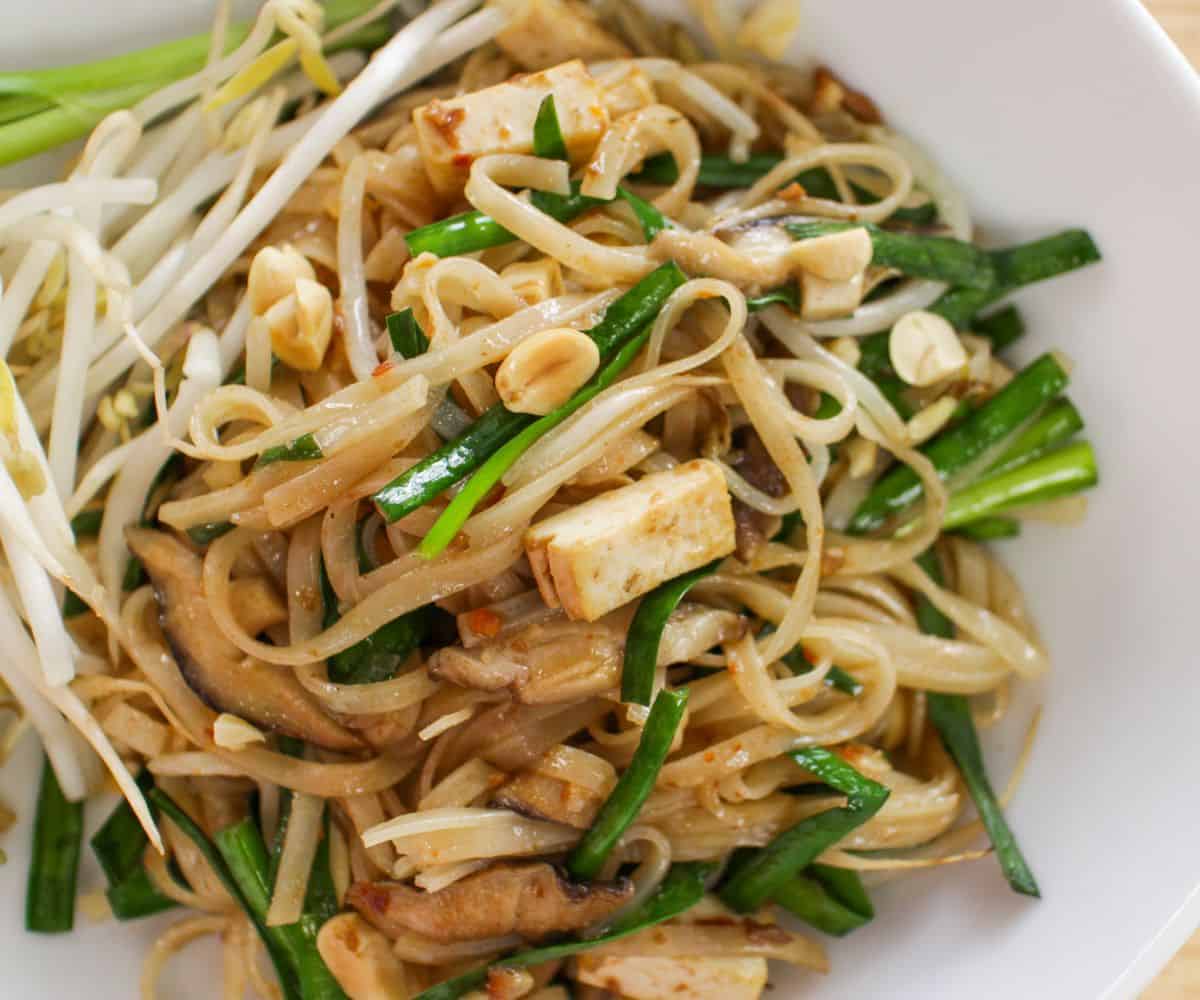
Embrace the Flavors of Thailand: Authentic Vegan Pad Thai at Home
There's a universally comforting allure to a generous bowl of flavorful noodles, and Pad Thai stands as a crowning jewel in that culinary kingdom. Its iconic blend of sweet, sour, salty, and umami flavors, coupled with satisfying textures, makes it a perennial favorite. However, traditional Pad Thai recipes often feature fish sauce and eggs, rendering them unsuitable for vegan diets and those with certain allergies. But what if you could recreate that authentic, restaurant-quality experience in your own kitchen, entirely plant-based, effortlessly healthy, and even gluten-free? Prepare to discover the magic of our Authentic Vegan Pad Thai – a dish so delicious, you'll never feel the need to order takeout again!
This isn't just a vegan 'version'; it's a celebration of bold flavors and wholesome ingredients, meticulously crafted to deliver the true essence of Pad Thai without compromise. We'll guide you through making a vibrant, satisfying meal that's perfect for a weeknight dinner or an impressive dish for guests.
Why Choose Homemade Authentic Vegan Pad Thai?
Opting to make your own vegan Pad Thai at home brings a myriad of benefits, far beyond just satisfying a craving. It's about taking control of your ingredients, customizing to your preferences, and enjoying a truly superior dish.
Unrivaled Authentic Flavor, Plant-Based Perfection
The beauty of this recipe lies in its ability to capture the complex, signature taste of traditional Pad Thai without any animal products. Gone are the fish sauce and eggs, replaced by expertly balanced plant-based alternatives that deliver that crucial umami depth and richness. You'll be amazed at how faithfully it mirrors the authentic Thai street food experience, but with the peace of mind that comes from knowing every ingredient is ethically sourced and animal-free.
Healthier, Wholesome Ingredients
Many commercial Pad Thai offerings, while delicious, can be loaded with excessive amounts of refined sugar, high-sodium sauces, and lower-quality oils. Our homemade vegan pad thai recipe champions real, whole foods. By making it yourself, you control the quality of every component, ensuring a nourishing meal that fuels your body without unwanted additives. It's a truly healthy upgrade to a beloved classic.
Effortlessly Gluten-Free
For those managing gluten sensitivities or celiac disease, traditional Pad Thai can be a minefield. This recipe makes it incredibly easy to create a delicious and safe meal. The primary carbohydrate, rice noodles, are naturally gluten-free. The key modification is simply to use a certified gluten-free soy sauce, such as tamari, or even coconut aminos for a soy-free option. Everything else in this vibrant dish is inherently gluten-free, allowing everyone to enjoy its incredible flavors.
Crafting Your Authentic Vegan Pad Thai: The Essential Ingredients
The success of any great dish starts with its ingredients. For our Authentic Vegan Pad Thai, quality and freshness are paramount. Here’s a breakdown of what you’ll need and why each component is vital:
- Rice Noodles: These are the heart of Pad Thai. Choose flat, wide rice noodles for the best texture. The key is to cook them just until al dente, as they will continue to cook briefly in the pan. Pro Tip: Do not let your noodles sit in the strainer for any length of time after boiling! They will quickly clump together. Strain and immediately toss them into the pan with the sauce.
- Mung Bean Sprouts: These delicate, crunchy sprouts add a quintessential freshness and texture. You can usually find them in the produce section of your grocery store, often near the pre-chopped fruits and vegetables or fresh herbs.
- Soy Sauce (or Alternatives): For an authentic taste, a good quality soy sauce is essential. To keep your Pad Thai gluten-free, opt for tamari, which offers the same rich umami flavor without the gluten. Alternatively, coconut aminos can be used for a soy-free and naturally gluten-free option. Important: Be mindful of the type of aminos you use; coconut aminos are generally less salty than liquid aminos, so adjust seasoning accordingly.
- The Sauce Components: While specific ingredients may vary, the core of an authentic Pad Thai sauce balances sweet (often brown sugar or maple syrup), sour (tamarind paste or lime juice), salty (soy sauce/tamari), and umami. This harmonious blend is what gives Pad Thai its distinctive depth. Our homemade version meticulously balances these elements, avoiding the excessive sugar and sodium found in many pre-made sauces.
- Garnishes Galore: This is where your Pad Thai truly comes alive! Don't skip these. Fresh lime wedges for a burst of acidity, chopped cilantro for herbaceous freshness, crunchy cashews or peanuts for texture and richness, sliced scallions for a mild oniony bite, and a sprinkle of red chili flakes for a touch of heat are all traditional and highly recommended.
- Optional Add-ins: To bulk up your dish and add even more nutritional value, feel free to incorporate other vegetables. Julienned or shredded cabbage, carrots, or bell peppers are excellent choices. They add color, crunch, and a subtle sweetness. Throw them in the pan with the mung beans and sauté everything together. For a protein boost, consider adding crispy pan-fried or baked tofu. Its chewy texture absorbs the sauce beautifully, making it an excellent addition to this plant-based meal. For a fantastic recipe that incorporates this, be sure to check out Easy Vegan Pad Thai: Crispy Tofu & Homemade Peanut Sauce.
Step-by-Step Guide to Your Perfect Vegan Pad Thai
Creating this delicious vegan pad thai is surprisingly straightforward. Follow these steps for a perfectly balanced and flavorful dish:
- Noodle Prep: Begin by boiling your chosen rice noodles according to package instructions until they are al dente. As soon as they are cooked, drain them immediately and set aside. Remember our crucial tip: do not let them sit for long, or they will clump!
- Sauce Sensation: While the noodles are cooking, whisk together all the ingredients for your Pad Thai sauce in a small bowl. This ensures a smooth, well-combined sauce ready to be added to your wok or large pan.
- Sauté the Veggies: Heat a large pan or wok over medium-high heat with a touch of oil. Add the mung bean sprouts and any other firm vegetables you're using (like shredded carrots or bell peppers). Sauté for 2-3 minutes until they are slightly tender-crisp.
- Combine and Cook: Add the drained rice noodles to the pan with the sautéed vegetables. Pour the prepared sauce evenly over the noodles and veggies. Toss everything gently to ensure the noodles are fully coated.
- Simmer to Perfection: Continue to cook on medium heat, stirring occasionally, for another 3-5 minutes, or until the sauce thickens and beautifully coats the noodles. The noodles will absorb the flavors and become perfectly tender.
- Garnish and Enjoy: Transfer your Authentic Vegan Pad Thai to serving bowls. Now for the best part – garnishing! Arrange fresh lime wedges, a generous sprinkle of chopped cilantro, scallions, and your choice of cashews or peanuts over each serving. For those who enjoy a little heat, a pinch of red chili flakes is a welcome addition. Enjoy immediately!
Pro Tips for Pad Thai Perfection
- Noodle Timing is Everything: We can't stress this enough – get those noodles from the strainer into the pan with the sauce as quickly as possible to prevent sticking.
- Fresh Herbs Only: Cilantro is a delicate herb that loses its vibrant flavor when cooked. Always add it as a fresh garnish just before serving.
- Coconut Aminos vs. Liquid Aminos: If you're going for a soy-free option, use coconut aminos. Be aware that liquid aminos are generally much saltier, so if you substitute, taste and adjust your sodium levels carefully.
- Meal Pairing: For an even more satisfying and complete meal, consider pairing your Pad Thai with homemade crispy delights like Air-Fryer Vegan Wontons.
- Storage: Leftovers can be stored in an airtight container in the fridge for up to 4 days. Reheat gently in the microwave or in a pan on the stovetop for a couple of minutes until warmed through.
Commonly Asked Questions About Vegan Pad Thai
What kind of noodles should I use in Authentic Vegan Pad Thai?
Flat rice noodles are the traditional choice and highly recommended for their authentic texture and ability to soak up the sauce. Ensure they are certified gluten-free if needed.
Can I add other veggies to bulk up Authentic Vegan Pad Thai?
Absolutely! This recipe is incredibly versatile. Julienned or shredded cabbage, carrots, or bell peppers are fantastic additions. You can even include broccoli florets or snap peas. Just throw them in with the mung beans and sauté everything together until tender-crisp. For even more insights on making this dish a staple, check out Skip Takeout: Make Authentic Vegan Pad Thai at Home.
Do you have any lower-carb options for Pad Thai?
Yes, if you're looking for a lower-carb alternative, spaghetti squash makes an excellent noodle substitute. You can find many delicious "Spaghetti Squash Pad Thai-Inspired Stir Fry" recipes that capture the flavors without the traditional carb count.
Can I make Authentic Vegan Pad Thai gluten-free?
Yes, this recipe is designed to be easily adaptable for gluten-free diets. The key is to use certified gluten-free rice noodles (most are naturally GF, but always check the label) and gluten-free soy sauce (tamari). All other traditional ingredients like mung beans, fresh vegetables, and garnishes are naturally gluten-free.
What are the best garnishes for Pad Thai?
The most traditional and flavorful garnishes are fresh lime wedges, chopped cilantro, crunchy roasted cashews or peanuts, thinly sliced scallions, and extra fresh mung bean sprouts. For a kick, red chili flakes or a drizzle of sriracha are perfect.
Say goodbye to mediocre takeout and hello to a culinary adventure in your own kitchen. This Authentic Vegan Pad Thai is more than just a meal; it's an experience – easy to make, packed with healthy ingredients, and bursting with the vibrant, complex flavors that define this beloved Thai classic. Enjoy the satisfaction of creating a restaurant-quality dish that caters to your dietary preferences, proving that authentic taste and wholesome goodness can go hand in hand.
