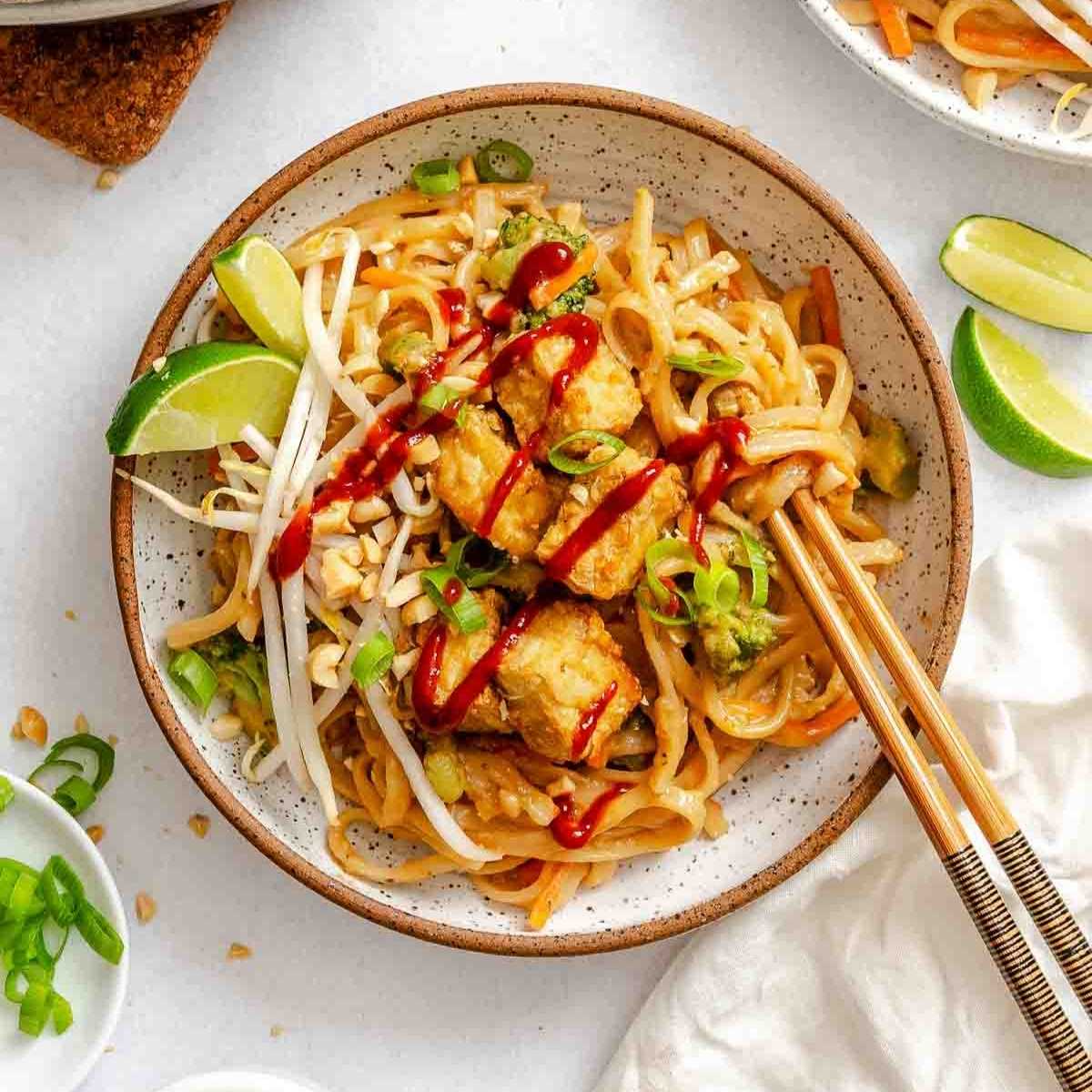
Easy Vegan Pad Thai: Your New Favorite Takeout Fake-Out
There's something incredibly comforting about a generous bowl of Pad Thai. The complex interplay of sweet, sour, salty, and umami flavors, combined with satisfying textures, makes it a global favorite. Traditionally, however, this beloved Thai dish often includes fish sauce and eggs, making it off-limits for vegans and those with certain allergies. But what if we told you that achieving an incredibly authentic and utterly delicious vegan Pad Thai from the comfort of your kitchen is not only possible but surprisingly easy? Get ready to transform your culinary repertoire with our guide to Easy Vegan Pad Thai, featuring perfectly crispy tofu and a luscious, homemade peanut sauce that will make you forget all about takeout!Why Choose Homemade Vegan Pad Thai? Beyond Just Plant-Based
Opting for a homemade version of vegan Pad Thai offers a plethora of benefits that extend far beyond simply avoiding animal products. It’s about creating a dish that is superior in taste, healthier, and customizable to your exact preferences.- Authentic Flavor, Healthier Choices: Our recipe captures the true essence of Pad Thai's vibrant flavors without relying on fish sauce or eggs. Instead, plant-based ingredients harmoniously blend to create that unmistakable profile. What’s more, many restaurant versions are laden with excessive sugar, sodium, and low-quality oils. By making it yourself, you gain complete control over ingredients, opting for wholesome, real foods.
- Dietary Inclusivity: This recipe is a dream for those with dietary restrictions. It’s inherently plant-based, and with a few simple swaps, it can be made entirely gluten-free. Just choose certified gluten-free rice noodles and use tamari (gluten-free soy sauce) or coconut aminos.
- Freshness and Quality: There’s nothing quite like the taste of freshly prepared food. You hand-pick your vegetables, ensuring maximum freshness, and you know exactly what goes into your sauce – no hidden additives or preservatives.
- Cost-Effective: Enjoying a restaurant-quality meal at home often proves to be significantly more economical, allowing you to indulge in this flavorful dish more frequently.
The Stars of the Show: Crispy Tofu & Luscious Peanut Sauce
While the noodles are the canvas, the true magic of this vegan Pad Thai lies in two key components: the crispy tofu and the rich, homemade peanut sauce. These elements elevate the dish from good to unforgettable.Achieving Perfectly Crispy Tofu
Tofu often gets a bad rap for being bland or rubbery, but when prepared correctly, it transforms into golden, crunchy nuggets that provide a fantastic textural contrast and a substantial protein boost.- Pressing is Key: This is the most crucial step. Firm or extra-firm tofu needs to be pressed to remove excess water. Wrap the block in paper towels or a clean kitchen towel, place it on a plate, and weigh it down with something heavy (like a stack of cookbooks or a cast-iron pan) for at least 30 minutes, or up to a few hours. This ensures it crisps up beautifully and absorbs flavor better.
- Cut and Coat: Once pressed, cut the tofu into bite-sized cubes. For extra crispiness, toss the cubes lightly with a tablespoon of cornstarch or arrowroot powder. This creates a thin, dry coating that encourages browning.
- Cooking Methods:
- Pan-Frying: Heat a neutral oil (like avocado or grapeseed) in a large non-stick pan over medium-high heat. Add the tofu in a single layer, ensuring not to overcrowd the pan, and cook until golden brown and crispy on all sides.
- Air-Frying: For an oil-free or lower-oil option, preheat your air fryer to 375°F (190°C). Arrange the coated tofu in a single layer and air fry for 15-20 minutes, shaking the basket halfway through, until crispy.
Crafting Your Luscious Peanut Sauce
The peanut sauce is the heart and soul of this vegan Pad Thai. It’s a symphony of flavors – sweet, savory, tangy, and a touch spicy – that coats every ingredient, tying the entire dish together.A typical homemade peanut sauce might include natural peanut butter, tamari or soy sauce, rice vinegar, a touch of maple syrup or agave for sweetness, fresh lime juice for brightness, and a hint of sriracha or chili garlic sauce for heat. A little ginger and garlic can also add depth. Whisking these ingredients together until smooth creates a creamy, irresistible sauce that is far superior to any store-bought alternative. For those with peanut allergies, almond butter or sunflower seed butter can make excellent substitutes, allowing everyone to enjoy this incredible dish.
Crafting Your Easy Vegan Pad Thai: A Step-by-Step Guide
Making authentic vegan Pad Thai: easy, healthy & gluten-free at home is a straightforward process once you have your ingredients prepped. Here’s how it typically unfolds:- Noodle Preparation: Begin by boiling your rice noodles according to package directions. The key here is to cook them until just al dente, then immediately drain and rinse them under cold water to stop the cooking process and prevent clumping. Do not let them sit in the strainer for any length of time, or they will become a sticky mess!
- Sautéing Veggies and Tofu: In a large wok or skillet, add a little oil and sauté your crispy tofu until heated through. Then, add your chosen vegetables. Mung bean sprouts are traditional and provide a wonderful crunch. Other fantastic additions include julienned carrots, sliced red bell peppers, shredded cabbage, or even some thinly sliced broccoli florets. Sauté them for a few minutes until they are tender-crisp.
- Combining with Sauce: Once the veggies are ready, add the cooked rice noodles to the pan with the tofu and vegetables. Pour your whisked homemade peanut sauce evenly over everything.
- Simmer and Thicken: Toss gently to coat all ingredients thoroughly. Continue to cook on medium heat for a few minutes, allowing the sauce to simmer and thicken, adhering beautifully to the noodles and vegetables.
- Garnish for Perfection: This step is non-negotiable for an authentic Pad Thai experience. Fresh garnishes provide crucial layers of flavor and texture. Think generous squeezes of fresh lime juice, chopped cilantro, crunchy peanuts or cashews, thinly sliced scallions, and a sprinkle of red chili flakes for those who love a little heat.
Essential Ingredients & Smart Substitutions
Understanding your ingredients is vital for a successful vegan Pad Thai.- Rice Noodles: Flat, wide rice noodles are typical for Pad Thai. Ensure they are certified gluten-free if needed.
- Soy Sauce / Tamari / Coconut Aminos: For umami depth. Tamari is a gluten-free soy sauce alternative. Coconut aminos are a soy-free, gluten-free, and lower-sodium option, but be aware they are less salty than tamari, so adjust accordingly. As an authentic vegan Pad Thai, it's important to keep these considerations in mind.
- Mung Bean Sprouts: Found in the produce section, often near pre-cut veggies or fresh herbs. They add a fresh, crisp texture.
- Peanut Butter: Use natural, unsweetened peanut butter for the best flavor and control over sugar levels.
- Sweetener: Maple syrup or agave nectar works wonderfully. Date syrup can also be used for a more complex sweetness.
Pro Tips for Your Best Vegan Pad Thai Yet
To truly master this dish and ensure it rivals any restaurant, keep these extra helpful tips in mind:- The Noodle Rule: Seriously, do not let those noodles sit! As soon as they are cooked and rinsed, toss them directly into your pan with the sauce. This prevents clumping and ensures they integrate beautifully.
- Cilantro is a Garnish: Always add fresh cilantro at the very end as a garnish. Cooking it will diminish its vibrant flavor and freshness.
- Coconut Aminos vs. Liquid Aminos: These are not interchangeable. Coconut aminos are distinct in flavor and salt content compared to liquid aminos, which are often much saltier. Stick to coconut aminos if the recipe specifies them.
- Storage and Reheating: Store any leftovers in an airtight container in the fridge for up to 3-4 days. Reheat gently in a microwave or a pan on the stove with a splash of water or broth to loosen the noodles.
- Bulk Up with Veggies: Feel free to add more vegetables beyond the basic mung beans, carrots, and bell peppers. Broccoli florets, snow peas, or even spinach can be delicious additions. Simply add them to the pan with your other veggies to sauté.
- Lower-Carb Options: If you're looking for a lower-carb alternative, consider swapping some or all of the rice noodles for spiralized zucchini noodles or spaghetti squash.
- Make it a Meal: For a super satisfying full meal, consider pairing your vegan Pad Thai with air-fryer vegan wontons or spring rolls.
Frequently Asked Questions About Vegan Pad Thai
What kind of noodles should I use in Vegan Pad Thai?
Flat, wide rice noodles are traditional for Pad Thai. They come in various widths, so choose one you prefer. Ensure they are certified gluten-free if necessary.
Can I add other veggies to bulk up Vegan Pad Thai?
Absolutely! Julienned or shredded cabbage, snap peas, bell peppers, broccoli florets, or spinach would all be delicious additions. Just add them to the pan with the mung beans and sauté until tender-crisp.
Can I make Vegan Pad Thai gluten-free?
Yes! Be sure to use certified gluten-free rice noodles and gluten-free soy sauce (tamari). Most other ingredients, especially whole foods like vegetables and spices, are naturally gluten-free.
What are the best garnishes for Pad Thai?
Traditional garnishes truly elevate the dish. Fresh lime wedges for squeezing, chopped cilantro, crushed peanuts or cashews, thinly sliced scallions, extra mung bean sprouts, and red chili flakes or sriracha are highly recommended.
Do you have any lower-carb options for Pad Thai?
Yes, for a lower-carb take, you can use spiralized zucchini noodles or spaghetti squash as a base instead of rice noodles. Prepare them separately and then toss them with the sauce and other ingredients.
