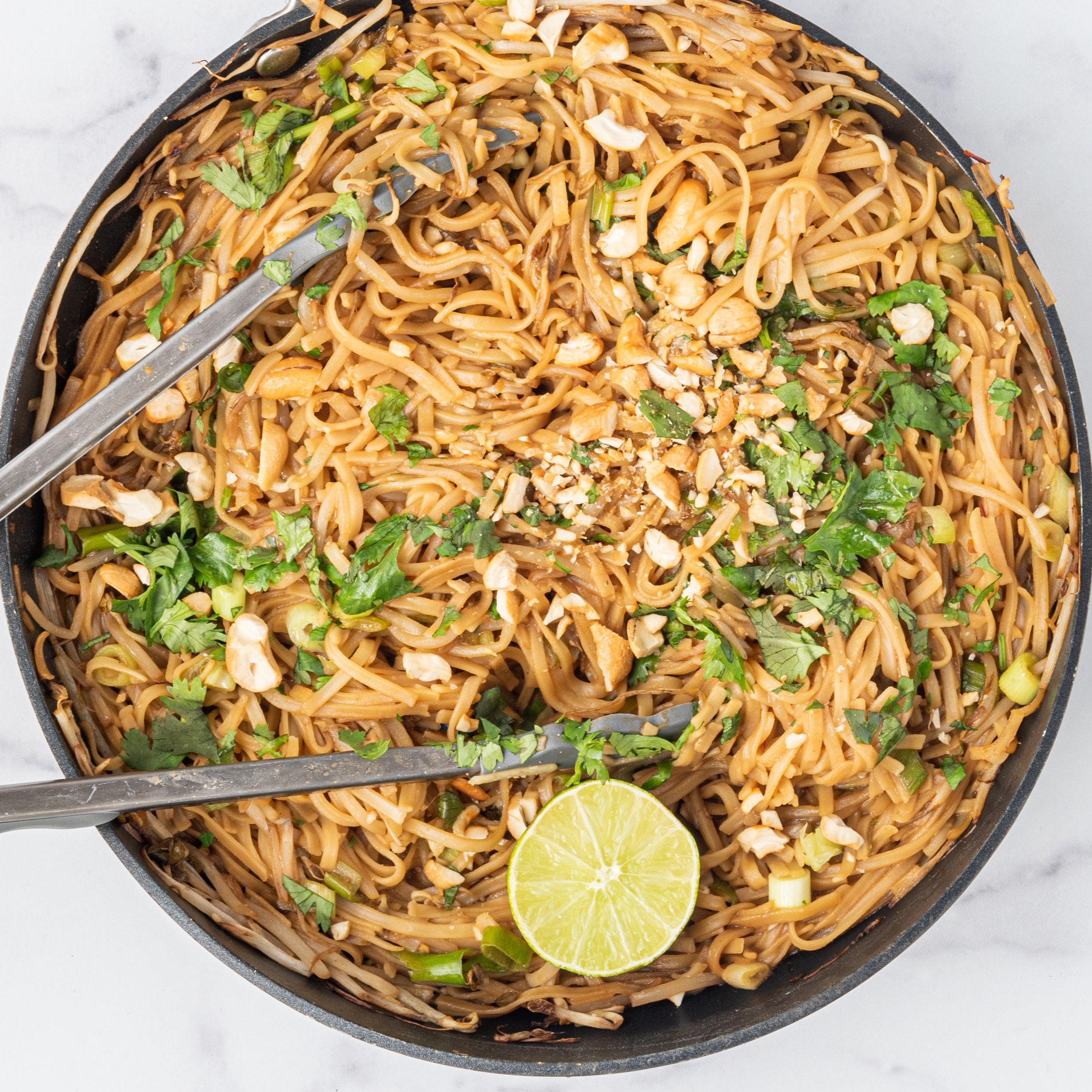
Skip Takeout: Make Authentic Vegan Pad Thai at Home
Craving that comforting, flavor-packed bowl of noodles but want to keep it plant-based and healthy? You're in luck! Mastering authentic vegan Pad Thai at home is not only achievable but surprisingly easy and incredibly rewarding. Forget the common perception that this beloved Thai street food is off-limits for vegans or those with dietary restrictions. We're here to show you how to recreate the magic of Pad Thai, brimming with genuine flavors, right in your own kitchen – without any animal products, excessive sugar, or questionable oils.
Traditional Pad Thai, while undeniably delicious, typically relies on fish sauce for its signature umami and eggs for texture and richness. Our homemade version brilliantly sidesteps these non-vegan ingredients, proving that plant-based doesn't mean compromising on taste. In fact, you'll discover a dish that's not only vibrant and satisfying but also customizable to your health goals and dietary needs, including gluten-free options. Prepare to elevate your weeknight meals and impress your taste buds with a dish so good, you'll never feel the need to order takeout again!
The Allure of Authentic Vegan Pad Thai
There’s a reason Pad Thai is a global sensation: it’s a symphony of flavors – sweet, sour, salty, and spicy – all harmonizing in one satisfying dish. The challenge for vegans has always been replicating this complex profile without fish sauce and eggs. But with a thoughtful selection of ingredients, achieving that authentic depth is entirely possible.
Our approach focuses on whole, real foods, sidestepping the common pitfalls of restaurant versions that can be laden with high sodium, processed sugars, and unhealthy oils. By making it yourself, you gain complete control over the quality of every ingredient, transforming a potentially indulgent takeout meal into a wholesome, nutrient-rich option. This homemade vegan Pad Thai isn't just a substitute; it's a celebration of plant-based cuisine that stands proudly on its own, delivering a taste that genuinely feels like the "real deal."
Achieving Authentic Flavor Without Compromise
The secret to an authentic Pad Thai lies in the delicate balance of its sauce. While fish sauce traditionally provides a pungent, savory depth, we can replicate this umami with ingredients like tamari or quality soy sauce, often combined with a touch of miso paste or even dried shiitake mushroom powder for an extra layer of complexity. The crucial sour note comes from tamarind paste, a foundational ingredient in true Pad Thai, which offers a unique tang that vinegar alone cannot mimic. Sweetness is typically from palm sugar, but maple syrup or agave nectar offer excellent vegan alternatives. A touch of chili adds that characteristic spicy kick, allowing you to tailor the heat to your preference.
The texture is also key. Rather than relying on scrambled egg, we introduce elements like crispy pan-fried tofu, adding a delightful chew and protein boost, or simply let the chewy rice noodles and fresh mung bean sprouts take center stage, providing a varied textural experience in every bite. This thoughtful combination ensures that your vegan Pad Thai delivers all the flavor and textural satisfaction you expect from this iconic dish.
Crafting the Perfect Plant-Based Pad Thai Sauce
The sauce is, without a doubt, the heart of any Pad Thai. It's what coats every noodle and vegetable, delivering that unforgettable explosion of sweet, sour, salty, and savory. For an easy vegan Pad Thai with homemade peanut sauce or a more traditional tamarind-based one, attention to detail here makes all the difference.
A classic vegan Pad Thai sauce typically involves:
- Tamarind Paste: This is non-negotiable for authentic sourness. Look for seedless tamarind paste (sometimes called tamarind concentrate) in Asian grocery stores.
- Soy Sauce or Tamari: For saltiness and umami. Use tamari for a gluten-free option.
- Sweetener: Maple syrup, agave nectar, or even a touch of brown sugar can replace traditional palm sugar.
- Rice Vinegar: Adds a subtle tang and brightens the flavors.
- Sriracha or Chili Garlic Sauce: To introduce heat. Adjust to your spice preference.
- Optional Umami Boosters: A tiny bit of white miso paste, a splash of coconut aminos (be mindful, as liquid aminos are much saltier), or even a dash of mushroom seasoning can deepen the savory notes.
Whisking these ingredients together in a small bowl until well combined is the first crucial step. Taste and adjust as needed – this is your chance to perfect the balance before it hits the pan.
Essential Ingredients for Your Vegan Pad Thai Masterpiece
Beyond the sauce, the quality and preparation of your other components are vital for an exceptional vegan Pad Thai. Here's a closer look at the stars of the show:
The Noodles
Rice Noodles: These are the undisputed foundation. Opt for flat, medium-width rice stick noodles (Pad Thai noodles). It's crucial not to overcook them during boiling. They should be pliable but still have a slight bite – al dente. After straining, it’s imperative to immediately toss them into the pan with your sauce and other ingredients; letting them sit will cause them to clump together, making them difficult to work with and affecting the final texture.
The Veggies & Protein
- Mung Bean Sprouts: Found in the produce section, often near packaged herbs or pre-chopped veggies. These add a refreshing crunch and authentic touch. They should be added towards the end of cooking to maintain their crispness.
- Protein Powerhouse (Optional but Recommended): Crispy tofu is a fantastic addition. Pressing extra-firm tofu to remove excess water, then pan-frying or air-frying until golden and slightly crispy, creates a textural contrast and a satisfying protein boost. Other options include tempeh, edamame, or even chickpeas.
- Colorful Add-ins: Don't hesitate to bulk up your Pad Thai with extra vegetables. Julienned carrots, thinly sliced bell peppers (red or yellow for color), shredded cabbage, or even broccoli florets can add more nutrients, color, and crunch. Add these with the mung beans or slightly before, allowing them to soften slightly while retaining some bite.
- Aromatics: While not always explicitly listed, finely minced garlic and shallots sautéed at the beginning of the process can lay a beautiful aromatic foundation for your dish.
Step-by-Step: Your Journey to Homemade Vegan Pad Thai
Ready to bring it all together? Here’s a simplified guide to cooking your authentic vegan Pad Thai:
- Noodle Prep: Boil your rice noodles according to package directions, typically for 3-5 minutes, until tender but still firm. Drain immediately and set aside.
- Sauté Aromatics & Protein (if using): In a large wok or skillet over medium-high heat, add a splash of oil. If using tofu, cook it now until crispy and golden brown, then set aside. Next, if using, quickly sauté minced garlic and shallots for about 30 seconds until fragrant.
- Vegetable & Noodle Introduction: Add your chosen firm vegetables (like carrots or bell peppers) to the pan and sauté for 1-2 minutes until slightly tender-crisp. Then, add the mung bean sprouts and cooked noodles to the pan.
- Sauce & Simmer: Give your prepared Pad Thai sauce another quick whisk and pour it evenly over the noodles and vegetables. Toss everything together, ensuring every strand of noodle is coated. Continue to cook on medium heat, gently stirring, for about 3-5 minutes. The sauce will thicken and cling to the noodles. If you cooked tofu separately, gently fold it in now.
- Garnish & Serve: Once the sauce has thickened and the flavors have melded, remove from heat. Transfer to serving bowls and finish with a generous array of fresh garnishes.
Elevate Your Dish: Garnishes, Variations, and Pro Tips
The final touches are what truly elevate your homemade vegan Pad Thai from good to extraordinary. Garnishes don’t just add visual appeal; they introduce fresh textures and bursts of flavor that complete the dish’s authentic profile.
The Art of Garnishing
Always have these on hand for the ultimate Pad Thai experience:
- Fresh Lime Wedges: A squeeze of fresh lime juice just before eating adds a crucial bright, zesty acidity that cuts through the richness and awakens all the flavors.
- Chopped Peanuts or Cashews: Toasted and crushed, these provide an essential crunchy texture and nutty flavor. If you have nut allergies, toasted sesame seeds or pumpkin seeds are good alternatives.
- Fresh Cilantro: Chopped fresh cilantro adds a herbaceous, refreshing note. Important: Do not cook cilantro; it should only be added as a fresh garnish to preserve its vibrant flavor.
- Sliced Scallions (Green Onions): The green tops offer a mild oniony bite and visual freshness.
- Extra Mung Bean Sprouts: For those who love extra crunch, a handful of fresh, uncooked sprouts on top is delightful.
- Red Chili Flakes or Sriracha: For an extra kick, allow diners to add more heat to their individual bowls.
Helpful Tips for Success
- Mise en Place: "Everything in its place." Have all your ingredients prepped, chopped, and measured before you start cooking. Pad Thai cooks quickly, so you won't have time to chop mid-sauté.
- Don't Overcrowd the Pan: Cook in batches if necessary, especially if you're making a large quantity. An overcrowded pan steams ingredients instead of sautéing them, preventing that desirable sear and flavor development.
- Test the Sauce: Before pouring it over the noodles, taste your sauce mixture. Adjust sweetness, sourness, saltiness, and spiciness to your preference. It should be bold, as it will mellow slightly once mixed with the noodles.
- Coconut Aminos vs. Liquid Aminos: If you're opting for a soy-free sauce, remember that coconut aminos are naturally sweeter and less salty than liquid aminos. Adjust other seasonings accordingly.
- Storage & Reheating: Leftovers store beautifully in an airtight container in the fridge for up to 4 days. Reheat gently in the microwave or in a pan on the stovetop with a splash of water or vegetable broth to loosen the noodles.
- Pairing Suggestion: For a truly satisfying meal, consider pairing your vegan Pad Thai with something like Air-Fryer Vegan Wontons for an added crunch and flavor dimension.
Making authentic vegan Pad Thai at home is a culinary journey that promises incredible flavor, healthy ingredients, and immense satisfaction. By following these guidelines and embracing the flexibility of plant-based cooking, you'll create a dish that not only rivals your favorite takeout but very well might surpass it. Enjoy the process, savor the aromas, and delight in every delicious, guilt-free bite!
